CLANKERSPORTS
REVIEW.
Reporting, profiles and analysis on robot sport, humanoid competition and the systems behind the machines.
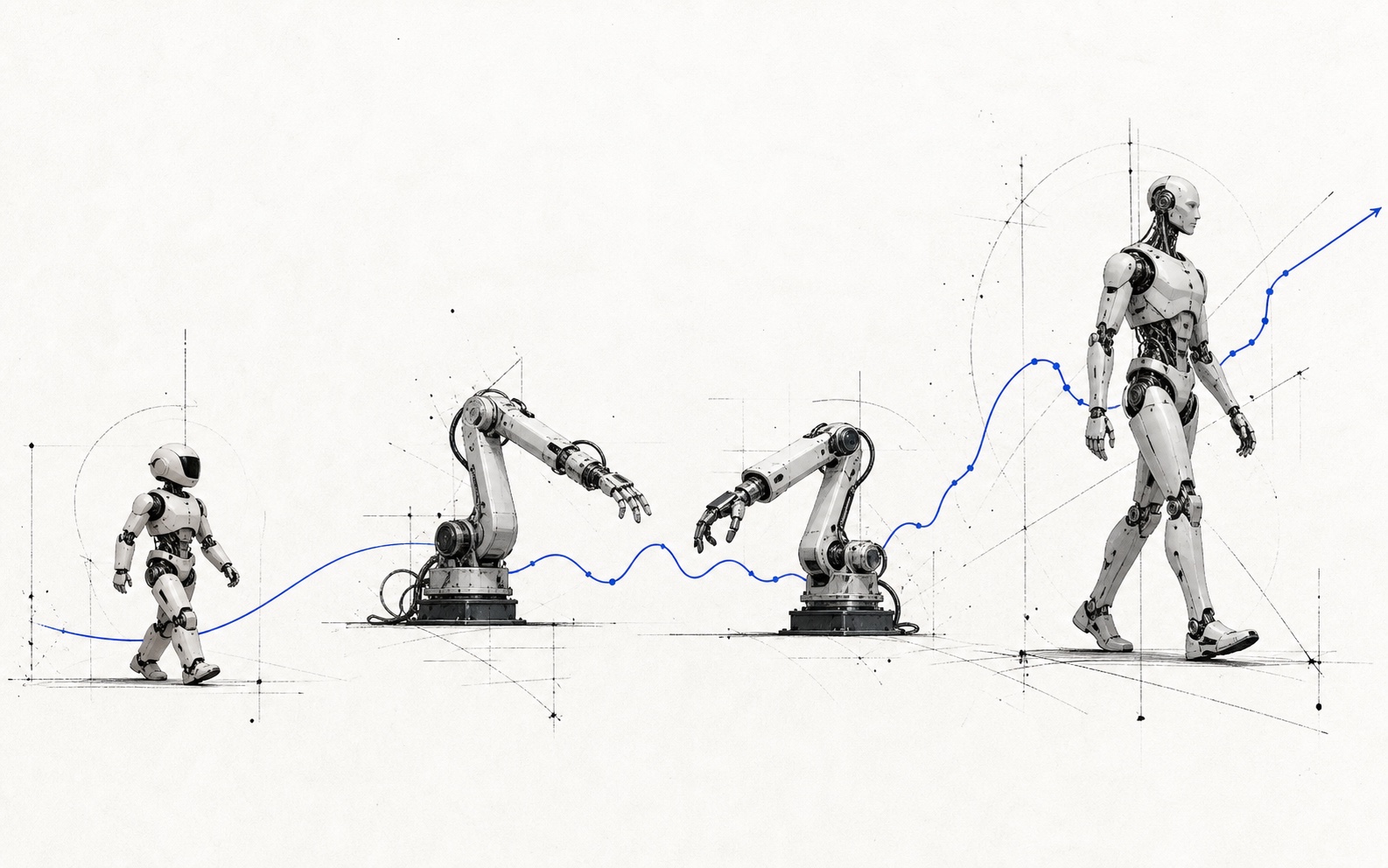
Current report
The State of Robot Sports 2026
A dated map of the competitions, organizers and platforms that can be verified as the 2026 season enters its busiest month.
Reporting
Profiles
Analysis
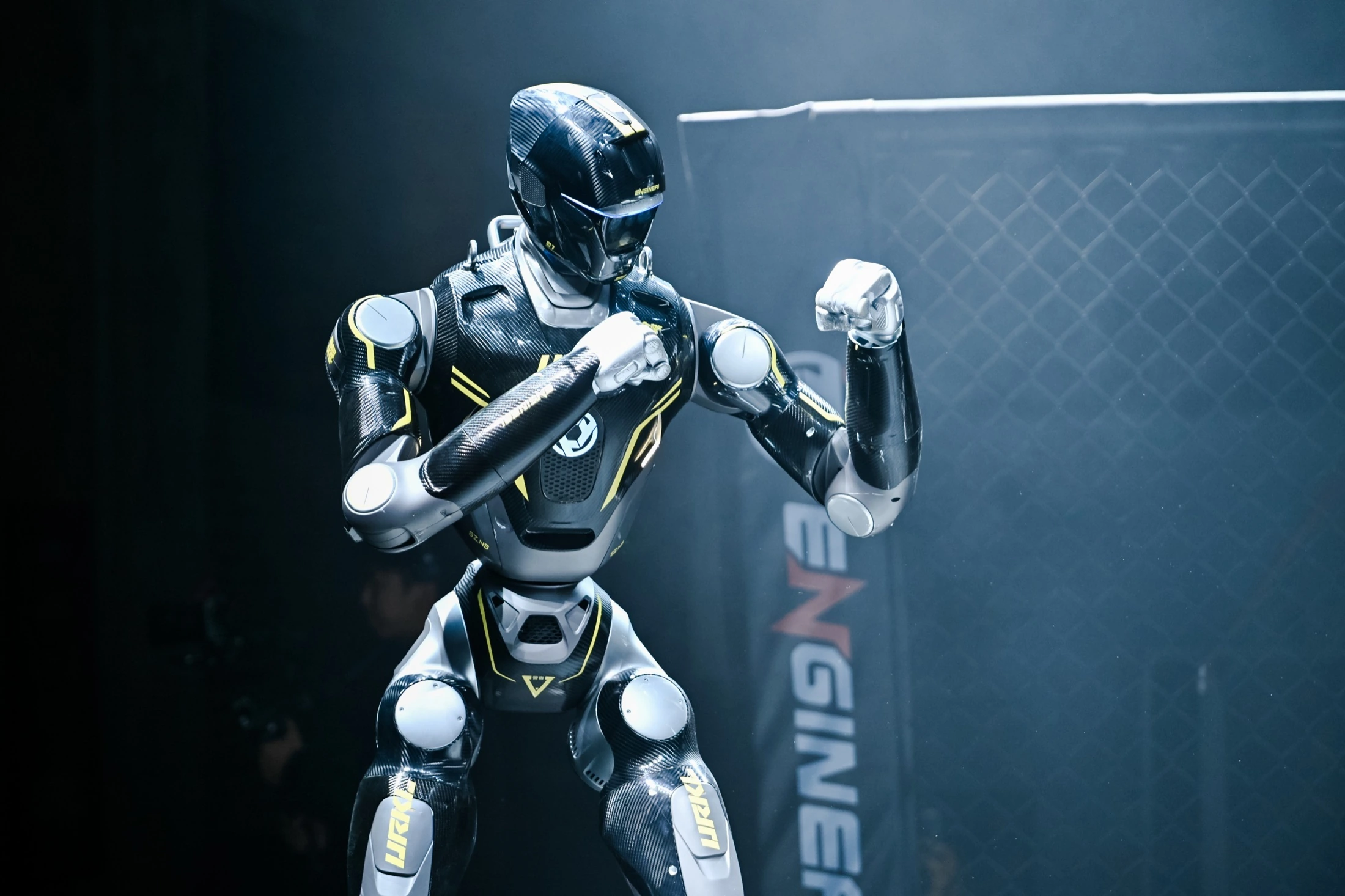
After the Hit
Repair time, replacement parts and damage reporting reveal whether a robot can complete a season after the opening bout.
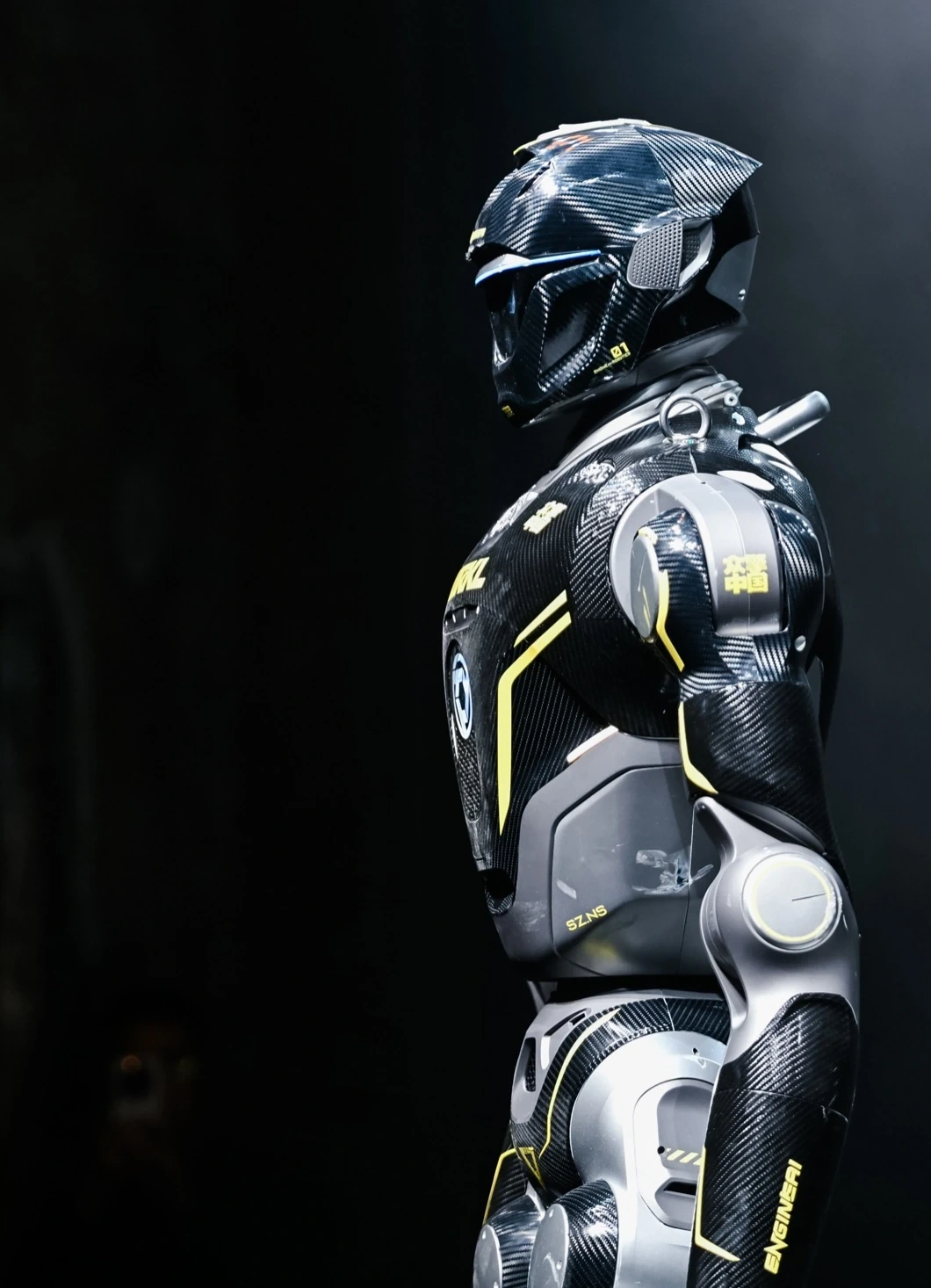
How Do You Score a Robot Fight?
A practical judging framework for contact, balance, recovery and control while URKL's main-match scoring remains unpublished.
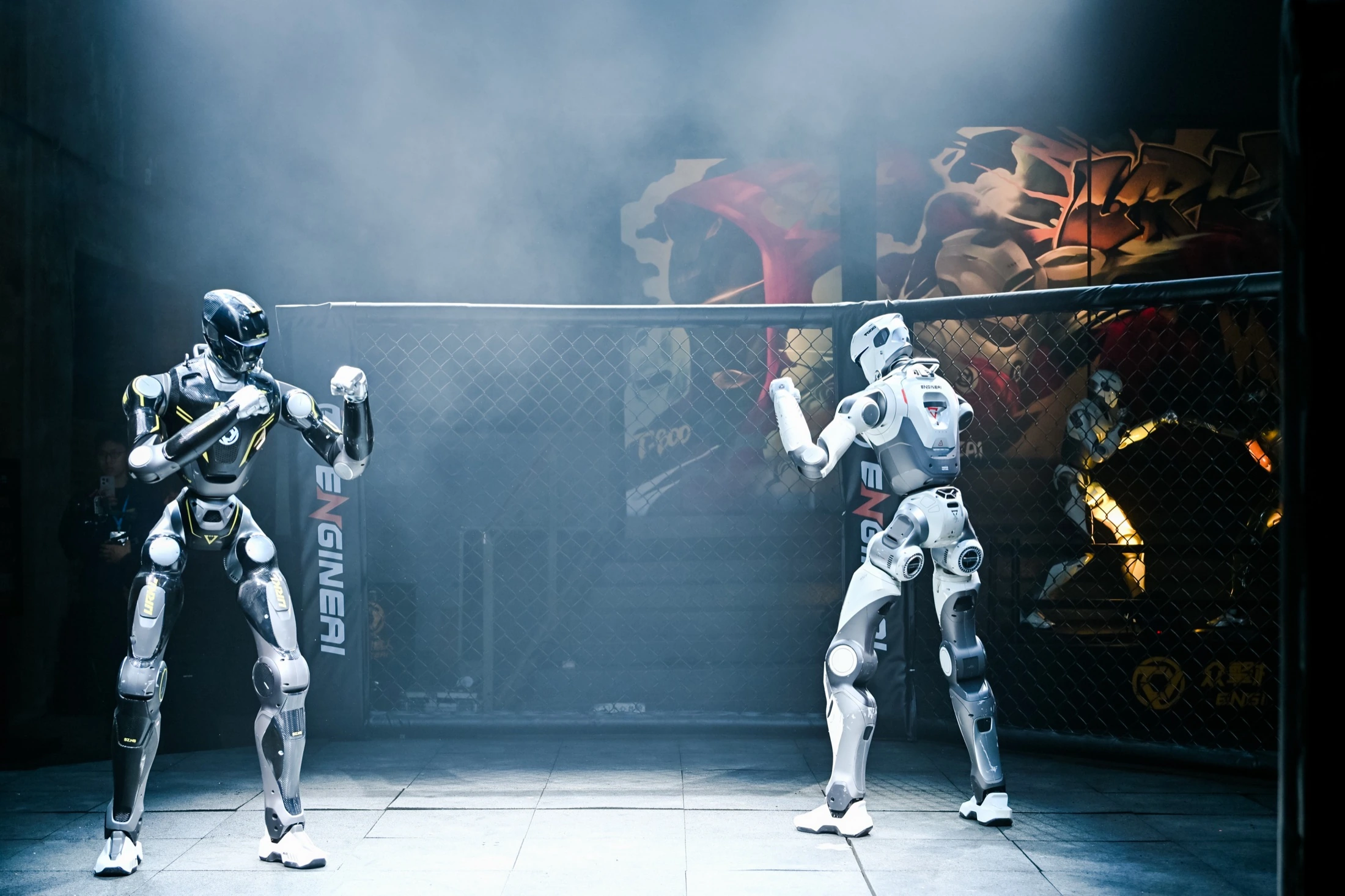
The Broadcast Layer
What a robot-sport broadcast should show about control, impact, recovery and repair without turning uncertain telemetry into spectacle.
What a Robot Combat Format Has to Specify
The minimum public rules needed to turn a staged humanoid bout into a repeatable competition that teams and viewers can evaluate.
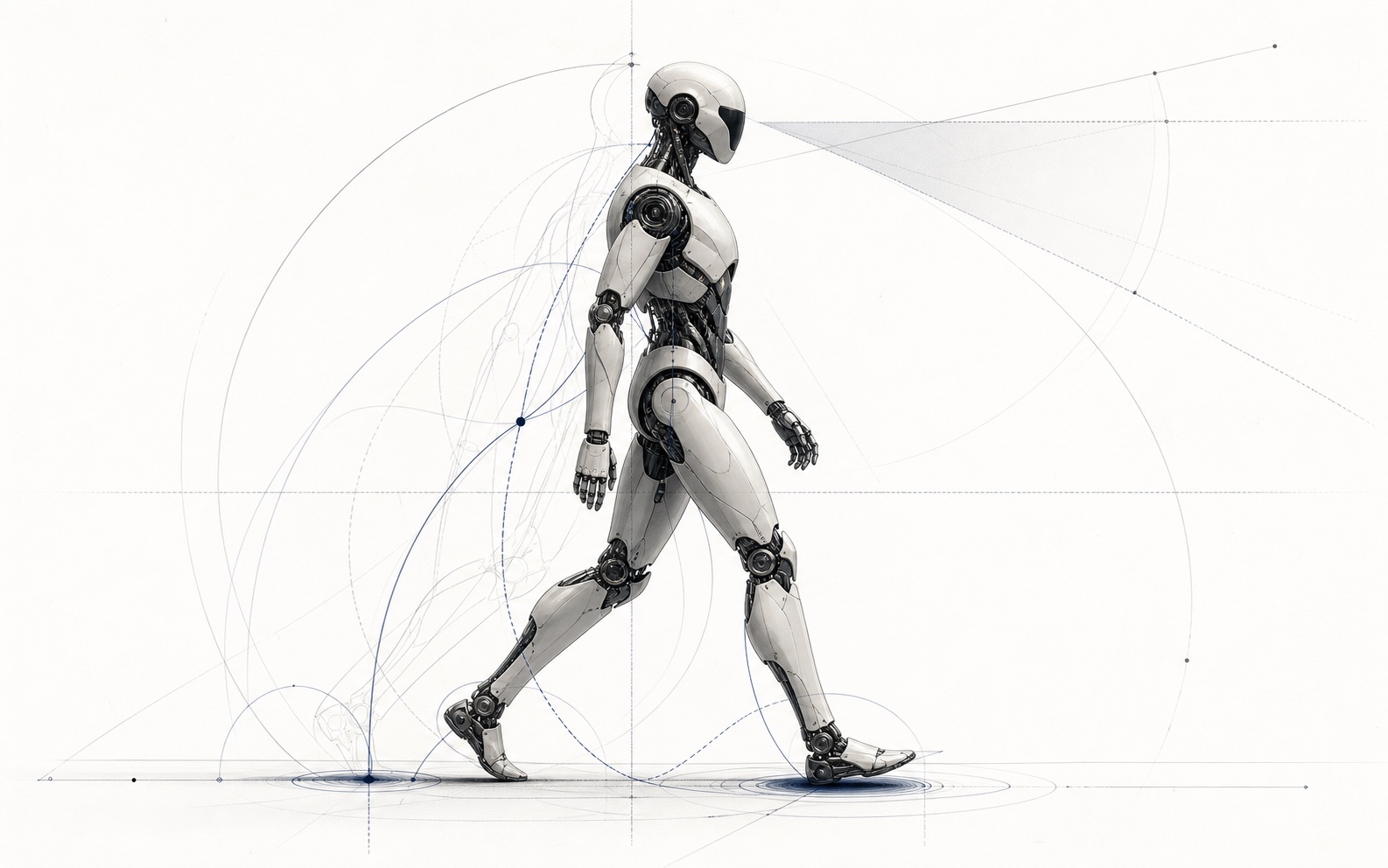
How Humanoid Control Is Divided Across the Stack
A practical account of the planning, motion and stabilization layers that turn an operator or policy decision into physical movement.
How Robot Policies Learn From Demonstration and Simulation
What demonstration data, simulation and onboard feedback contribute to a robot policy, and which claims still require physical testing.
Interactive
Visual stories built to clarify a system, not interrupt the reading.
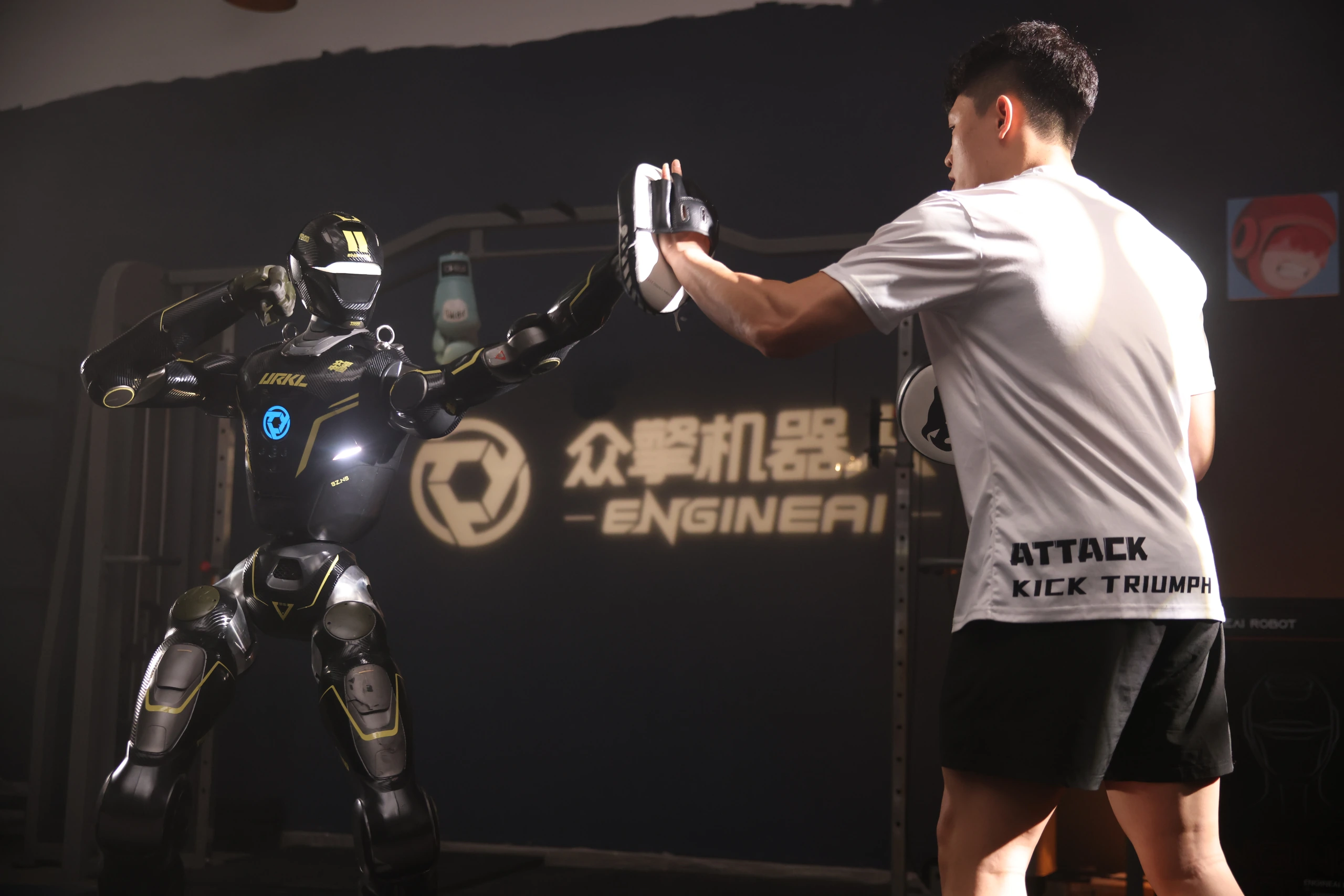
The Human Layer
A visual account of the people, control decisions and responsibilities around a competition humanoid.
The Path to Physical AI
An interactive route from language and perception to control, movement and contact with the physical world.
Research Desk
A visual reading of the systems, experiments and evidence behind current physical-AI claims.
Editorial method
Reporting is tied to attributable sources. Analysis states what is known, what is claimed and what remains unpublished.
Corrections and profile proposals can be submitted through the ClankerSports contact form.